How to write a website design brief, with a filled-in example
Turn one recent customer enquiry into a one-page brief that a designer can actually price.
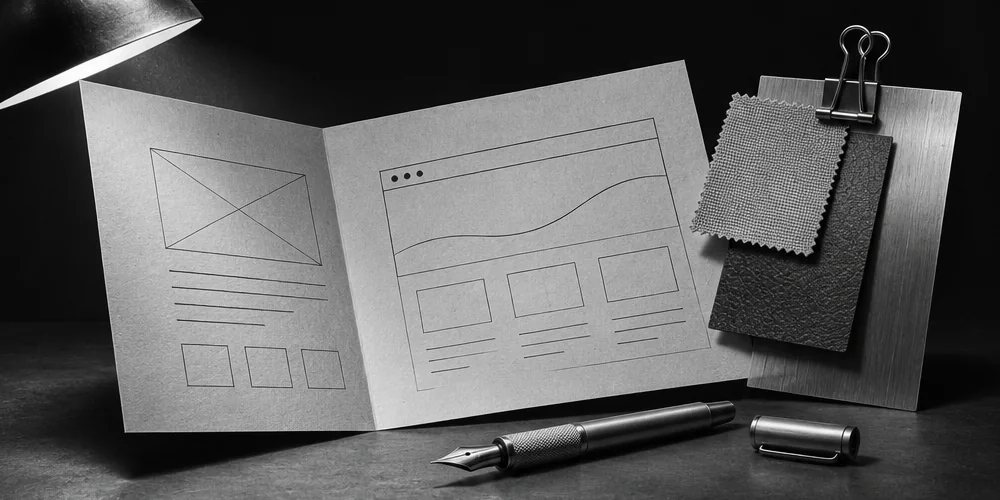
A designer can quote “a five-page website.” You may receive five attractive pages and still spend Monday morning calling people back to ask what they meant by their enquiry. A more useful website design brief starts with one sale you would like the new site to help you make. Describe who is buying, what they need to decide, what they should do on the site and who takes over afterward.
A page or two is plenty for an initial conversation. Here's how to write one that a designer can challenge, price and eventually test.
Start with the last good enquiry
Ask the person who answers the phone about a job the business would gladly do again. What did the customer call it? What did the business need to know before it could quote? Where did the customer hesitate? Leave names and contact details out of your notes. The sequence of decisions is what matters.
Consider a fictional sign shop. A facilities manager calls about replacing the lettering on a storefront. The shop asks for the property address, an approximate width, a photo and whether the landlord has design requirements. The caller only has the address. If the brief says “image upload required,” the website could turn away the very job the shop wants. If it says “staff can start with an address and request photos later,” a designer can make the photo optional and explain why it helps.
That one conversation informs the service page, the enquiry form, its instructions and the first response. A list of websites you like tells the designer far less.
A one-page brief you can copy
| Prompt | What to write |
|---|---|
| Business and priority buyer | What you sell, to whom and within what territory or other boundaries. |
| Decision before contact | The questions a suitable customer must answer before calling, booking or requesting a quote. |
| Main action | What a visitor should complete. Include a second route only if it serves a different need. |
| Handoff | Who receives the request, what information they need and what happens outside office hours. |
| What the new site must keep | Valuable existing pages, phone numbers, booking links, business email and systems your team uses. |
| Available content | What is ready to publish, what needs approval and what someone must create. |
| Limits | Budget range if known, deadline and its reason, exclusions and the person authorized to approve. |
| Evidence of success | What you can check at launch and which business result you will review afterward. |
Include the address of your current site and a short list of documents or images that you can share. A designer can estimate more accurately from “eight finished project photos with permission to publish” than from “we have lots of content.” Keep passwords and private customer records out of the brief.
A filled-in example for the sign shop
Business and buyer. We make and install storefront signs for independent retailers. Our priority enquiry is a shop opening or refreshing a physical location within our installation area. We also make small-print items, but those orders already come through a separate channel.
Decision and action. A manager needs to know which installations we take, see work similar in scale to theirs and find out whether we can discuss their opening date. They should request a site visit. Put the phone number beside the form for customers who need to explain a complicated job.
Handoff and content. Send requests to the estimator. Ask for location, type of sign, contact information and desired date. A photo helps when available. Confirm that an estimator will review the request before a visit is booked. We can supply approved installation photos and project notes. We need help turning those notes into captions and explaining the process in plain language.
Limits and acceptance. We need a working enquiry path before our spring trade show. An online sign configurator can wait. Our owner approves project scope and our estimator checks the service descriptions. We will test a complete enquiry from a phone, both with and without a photo, and check that the estimator receives enough information to reply. After launch we will record which enquiries turn into site visits.
Notice what is still open. The shop has specified how a visitor and an estimator should be able to work together. A designer can recommend whether one page or several will do that job, and whether handling photos on the website is worth the extra scope.
Give constraints a reason
“Must launch by March” deserves one more sentence. A booked trade show creates a real need for an accessible web address and a working enquiry route by a specific day. An owner's preference for March leaves room to finish stronger project photography a week later. The agency can propose a sensible trade only when it knows which situation applies.
Treat budget the same way. If you have a spending limit, say whether it includes writing, photography, first-year hosting and ongoing work. If you have no reliable number, ask the designer to identify the smallest useful scope and price the major additions separately. CMT Web explains the main cost drivers on its pricing page.
What to leave for discovery
You can leave the platform, layout, exact page count and integrations open unless your business has a specific dependency. If page count is the one unknown holding you up, use the guide to choosing pages for a small business website to separate distinct customer needs from sections that can share a page. If your office already runs appointments through a particular system, name it. If the goal is simply to reduce phone tag, explain that and invite solutions. A choice between a callback request and a live calendar can change what the business has to maintain every week.
Before sending the brief, hand it to the person who will answer the enquiries. Ask whether they could act on the example request and whether the confirmation makes a promise they can keep. Their correction may save a revision before anyone has drawn a screen.
When you're ready to talk, use the short CMT Web project form. Bring the brief to the conversation, including the questions you have left open. Those questions are often where the most important scope decisions begin.
For the interview itself, use the questions to ask a web design company.